
Before I begin, let me give a quick introduction. I pastored various churches from 1987 until 2006, when I stepped away from Pastoral ministry. I remain very involved in a local church serving as a Worship Leader and Elder. I still have the privilege of preaching and teaching as the opportunity arises. As I continue to be exposed to solid preaching and preaching resources I feel like I owe my previous congregations an apology for some of my sermons.
I am interested in this book because of the opportunities I am given to preach and the desire to be a better preacher and listener. I also have seen a deficit in Biblical preaching. Mohler expresses this phenomenon in the introduction. He notes how the preaching of the word is being replaced by singing, drama, and other avenues of entertainment.
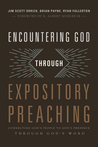
This book is not a “how to book” as much as it is a “why you should book”. There are plenty of practical sections on preparing a sermon, but the strength of the book is in its defense of expository preaching.
I appreciate that the opening section starts with the preacher’s qualifications and a review of Titus 2 and other appropriate passages. While not all who will preach are elders, any who are going to preach should still meet these qualifications. There is also a strong emphasis on reliance on the Holy Spirit in the preparation and delivery of sermons. Another plus.
The authors are also quick to note that preaching entire books is the better method. However, there are times to preach topically and that a topical message can be an expository message.
This volume is a fully Christ and word centered presentation. It is summed up in the phrase “preaching occurs when a holy man of God opens the word of God and says to the people of God, ‘Come and experience God with me in this text.’”
The book contains 3 sections. The authors start with The Man, The Text and The Spirit. This is the right place to start. This is the heart of the book starting with a strong foundation for the building of a sermon.
The authors do a great job stressing the importance of a passages context. The passage’s place in the whole of Scripture, the specific book and its place in the book must all be considered. After that the context of both the original and current hearer must be addressed. In fact, the illustration of The Wizard of Oz and historical context is worth getting this book.
It is not until this solid foundation is laid, do the authors move to the mechanics of sermon preparation
Here they move to the Early Preparation of the sermon. I am encouraged that the authors stressed the importance of the public reading of Scripture, an often-overlooked skill. This section also includes another strong reminder of the importance of context.
Finally, the authors move to delivery and the decision to use manuscripts, outlines or no notes. This section again includes a strong emphasis on diligent study and desperate reliance on the Holy Spirit. Their conclusion is that the preacher should work to the point of going without notes.
For me, the one part of the book that missed was the section on outlining. This chapter was another strong chapter on expository preaching but not as strong as the chapters on manuscripts or no notes.
In the end this book is not primarily about hermeneutics or sermon preparation even though those areas are covered. This is a solid, healthy defense of Expository preaching, something sorely missing in today’s church.
For those of you who regularly preach this is a good refresher on the importance of expository preaching. If you are just beginning start with this book and be convinced of the value of expository preaching, and then dig deeper to hone your skill. This way hopefully you won’t feel the need to apologize for questionable sermons.
NOTE: The publisher provided a copy of this book for review.
 Common Man Faith